
Decision Risk

Decision risk in analytics arises when a measurement system appears technically correct but still leads to flawed business decisions. In GA4 and automated optimization environments, small modeling assumptions, attribution logic choices, and incomplete datasets can accumulate into significant strategic distortions. Decision risk often stems from modeled conversions, partial visibility caused by consent restrictions, and misinterpretation of reporting interfaces.

When dashboards are trusted without critically evaluating how data was collected, processed, and attributed, organizations may reallocate budgets, scale campaigns, or pause initiatives based on misleading signals. Decision risk is not a tracking malfunction; it is a structural weakness in how analytics outputs are interpreted and operationalized.

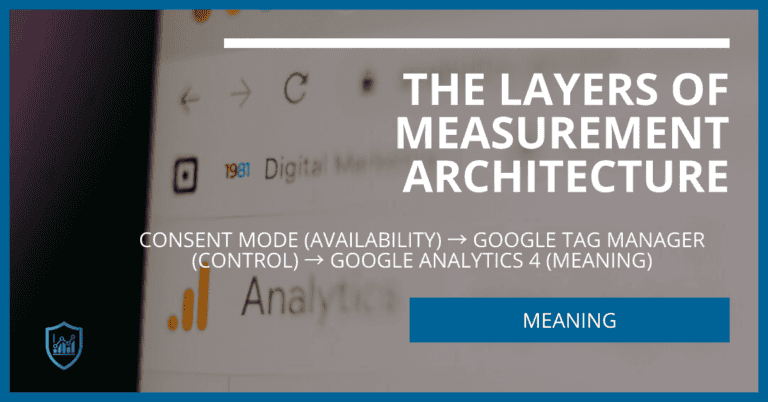
In privacy-constrained ecosystems shaped by Consent Mode and platform modeling, uncertainty is frequently hidden behind clean visual reports. Understanding decision risk requires evaluating the entire measurement architecture, from event design to attribution modeling and reporting logic. Organizations that actively identify decision risk reduce wasted ad spend, prevent strategic misalignment, and build measurement systems that support stable long-term performance rather than short-term performance illusions.